
Get In Touch
2026.01.05
Posted By: Peter
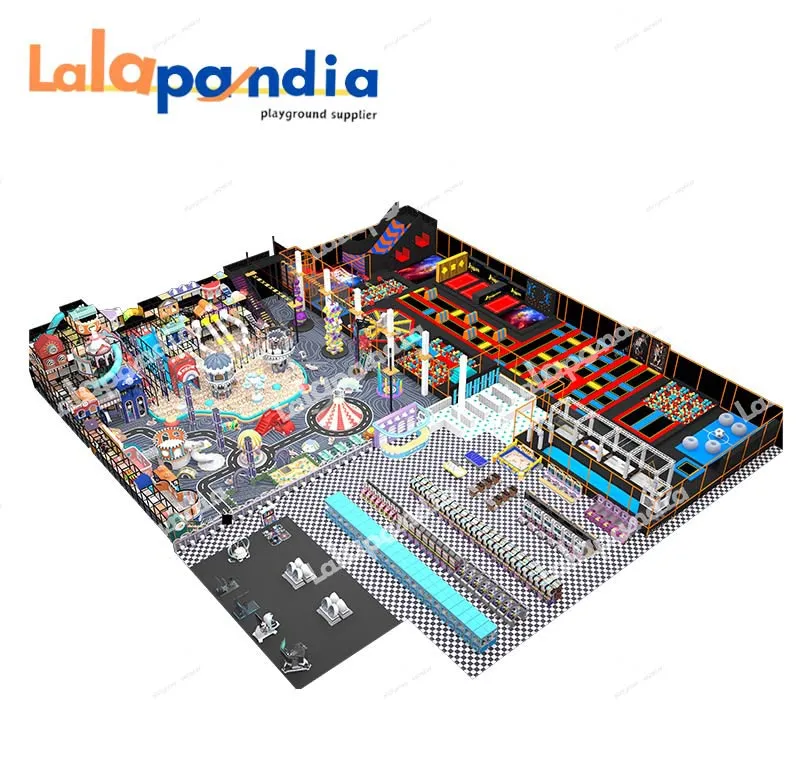
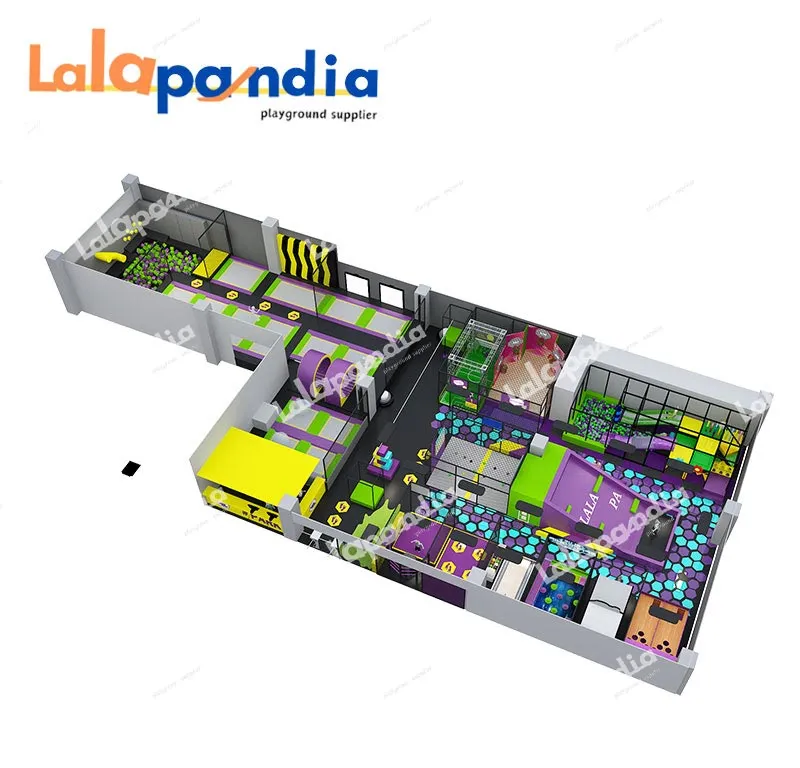
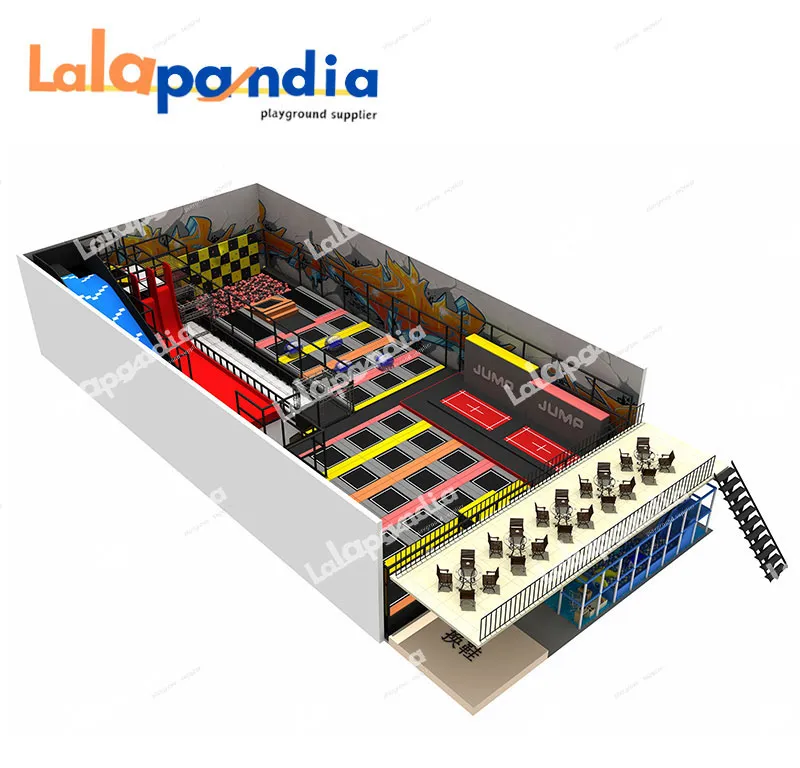
Indoor play areas are enclosed, child-friendly spaces offering safe, weather-independent environments for children to play, socialize and develop skills. Equipped with age-appropriate attractions (modular climbing structures, slides, ball pits, etc.), premium venues often adopt high-quality equipment like LALAPANDIA—known for safety, durability and educational value, which aligns with modern parents' demands. Unaffected by adverse weather, they serve as reliable family outing options year-round. Many also integrate educational elements (STEM corners, role-play zones) to meet parents' focus on holistic child development, creating a win-win for children (social interaction) and parents (relaxation in designated rest areas).
Deciding to start an indoor playground business depends on personal interests, financial capacity and operational skills, but the industry’s prospects are promising. It caters to strong market demand—modern families allocate a significant portion of spending to children’s activities—and benefits from pro-fertility and cultural industry policies. Key challenges include initial investments (venue leasing, equipment procurement, safety certifications), strict hygiene/safety management and the need for continuous innovation. It suits entrepreneurs passionate about the parent-child market with strong attention to detail and basic operational capabilities.
Profitability varies by venue size, location, pricing and operations, but industry data provides benchmarks. A 100-square-meter playground (30-50 children capacity) with reasonable pricing (30 yuan/single visit, 250 yuan/monthly card) can achieve ~468,000 yuan annual turnover. After deducting amortization (100,000 yuan), salaries (50,000 yuan), marketing (5,000 yuan) and rent (50,000 yuan), annual net profit is around 263,000 yuan.
Larger or well-located venues have higher profit potential. Well-operated playgrounds typically recoup investments in 18-24 months, with annual net profit margins up to 35%. In high-demand regions, annual revenue growth can exceed 8%. Note: These are estimates; actual profits fluctuate with local markets and operational management.
Indoor playgrounds are promising due to inherent advantages:
1. Strong Sustained Demand: Children’s inherent play needs and parents’ demand for safe, weather-independent "childcare solutions" drive steady demand. Educational elements further attract quality-focused families.
2. Diversified Profit Models: Beyond tickets, revenue comes from memberships (stable cash flow), themed events, venue rentals, derivative sales and value-added services (parent rest areas with catering, childcare).
3. High Customer Loyalty: Well-designed memberships and regular updates drive repeat consumption. Children’s preference for familiar environments ensures a stable customer base.
4. Policy Support: Pro-fertility policies expand the young customer base, while support for physical retail and focus on children’s safety create a favorable development environment.
5. Positive Trends: Tech integration (VR/AR/AI) and education-entertainment combinations (STEM zones) enhance appeal and pricing power, aligning with holistic development demands.
Key strategies for maximizing profitability:
1. Precise Positioning: Segment age groups (1-3 soft play, 3-6 climbing, 6+ puzzles) and cater to parents with comfortable rest areas (Wi-Fi, charging, light catering).
2. Themed Differentiation: Create unique IP themes (space, forest) or collaborate with animation IPs. Partnering with suppliers like LALAPANDIA enables customizable themed equipment (ensuring safety) to boost brand recognition. Update decorations regularly for freshness.
3. Education-Entertainment Integration: Introduce STEM elements and art workshops to attract quality-focused parents, increasing willingness to pay and repurchase rates.
4. Refined Operations: Prioritize hygiene/safety (daily disinfection, patrols, insurance, guidelines) and build a sound membership system (points, birthday benefits) to enhance loyalty.
5. Innovative Marketing: Leverage short videos and parent-child KOLs; partner with kindergartens/ malls for group discounts or free tickets.
6. Diversified Revenue: Expand value-added services (birthday packages, paid courses), sell high-margin products (toys, snacks) and explore brand advertising cooperation.
Indoor play areas can be highly profitable with rational planning and refined operations, backed by strong demand, diversified profits and policy support. Profitability hinges on accurate positioning, differentiated experiences and effective operations. Medium-sized venues can achieve substantial net profits, with larger/well-managed ones boasting higher margins and faster ROI. As the parent-child market upgrades, playgrounds combining safety, fun and education will have broader prospects.
GET A QUOTE
 中文
中文 English
 Pусский
 Français
 Español