
Get In Touch
2025.12.11
Posted By: Peter
Trampoline parks have surged in popularity over the last decade, offering a fun and active environment for children, teens, and adults alike. If you are considering entering this booming entertainment industry, understanding the costs, equipment requirements, and operational strategies is essential. This guide will walk you through everything you need to know to successfully open a trampoline park.
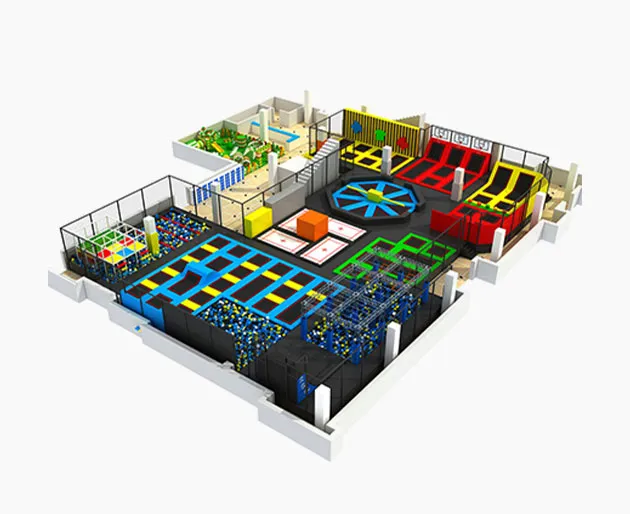
Trampoline parks are more than just a fun pastime—they represent a growing market in recreational entertainment. Here’s why opening one can be a smart business move:
1. High Demand for Indoor Entertainment: Families, schools, and fitness enthusiasts are seeking safe indoor activities, especially in urban areas.
2. Multiple Revenue Streams: Trampoline parks can generate income through admission fees, party bookings, merchandise, and concessions.
3. Health and Fitness Trend: Trampolining promotes physical activity and wellness, aligning with current health-conscious consumer trends.
Opening a trampoline park requires a significant investment. Costs can vary depending on location, size, and quality of equipment:
Lease or Real Estate: $10,000–$50,000 per month, depending on city and square footage.
Equipment Costs: $100,000–$500,000 for high-quality trampolines, foam pits, and interactive attractions. (LALAPANDIA provides professional trampoline park equipment that meets safety and durability standards, ideal for new operators.)
Renovation & Safety Measures: $50,000–$150,000 for flooring, padding, and safety nets.
Insurance: $5,000–$20,000 annually, essential to cover liability and accidents.
Staffing and Training: $3,000–$10,000 initially for hiring, training, and uniforms.
Overall, opening a mid-sized trampoline park typically costs between $250,000 and $1 million.
A solid business plan should include four core components to attract investors and guide operations:
Target Audience Deep Dive: Families with kids aged 5-12, teens seeking social activities, and fitness-focused adults interested in bounce cardio. Conduct local surveys to identify unmet needs.
Competitor Analysis: Visit 3-5 local parks to assess pricing, equipment quality, and customer reviews. Highlight gaps and position your park as a solution.
Trend Integration: Adopt immersive technologies (VR/AR trampolines, adopted by 30% of new parks) or themed zones to stand out.
Pricing Model: Tiered tickets with off-peak discounts to balance capacity. Offer free entry for toddlers under 3 (accompanied by paying adults) to attract families.
Services: Launch birthday packages and weekly fitness classes (bounce yoga, parkour training) to drive repeat visits. Add a snack bar with healthy options for extra revenue.
Safety Protocols: Enforce capacity limits, mandatory grip socks, and daily equipment inspections. Post clear safety rules with visual signs.
Digital: Create TikTok/Instagram reels showcasing park highlights and run targeted ads for local families. Optimize Google My Business with photos, reviews, and booking links.
Offline: Partner with schools, daycares, and corporations (team-building events) for bulk bookings. Distribute flyers at shopping malls, playgrounds, and community centers.
Break-Even Timeline: Typically 18–36 months, but can be shortened to 12–24 months with strong group bookings and membership sales. Allocate 20% of revenue to reinvestment (equipment upgrades, marketing).
Choosing the right equipment is vital for safety, functionality, and guest satisfaction. Essential equipment includes:
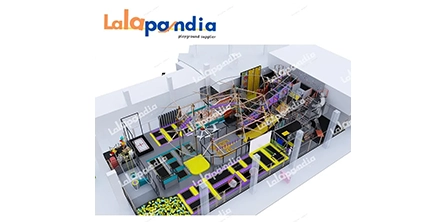
Wall-to-wall trampolines
Foam pits and landing zones
Dodgeball and basketball zones
Safety padding and netting
Interactive features such as climbing walls or ninja courses
LALAPANDIA’s trampoline park equipment is an excellent choice for new trampoline park owners. Their products are designed with high-quality materials, advanced safety features, and customizable layouts suitable for various park sizes and themes. Investing in reliable equipment reduces maintenance costs and enhances customer trust.
Safety Training (40 Hours): All staff must complete CPR/AED certification (via organizations like Red Cross) and emergency response training (injury handling, fire evacuation, crowd control). LALAPANDIA provides supplementary training on equipment-specific safety protocols.
Equipment Proficiency (20 Hours): Staff learn to inspect springs, nets, and padding daily using LALAPANDIA’s step-by-step checklist. They also receive training on basic maintenance (e.g., mat cleaning, spring tension adjustment) and troubleshooting common issues.
Customer Service (10 Hours): Training on communicating with children and adults, explaining safety rules clearly, resolving complaints, and promoting add-on services (birthday packages, memberships).
Continuous Development: Monthly safety drills (evacuation, injury response) and quarterly performance evaluations (tied to safety compliance and customer feedback). Offer incentives for additional certifications.
Launching a trampoline park is a substantial yet rewarding endeavor. Success hinges on meticulous planning, unwavering commitment to safety, and strategic operational management. Choosing a dependable equipment partner like LALAPANDIA lays a critical foundation for safety, durability, and guest appeal. As the demand for active, social entertainment continues to grow, a well-executed trampoline park can become a profitable and beloved community hub.
Q: What is the ideal size for a trampoline park?
A: A competitive facility typically requires 10,000 to 20,000 square feet. This allows for a variety of attractions while accommodating essential support spaces like a lobby, party rooms, and seating areas.
Q: How much is insurance for a trampoline park?
A: Annual liability insurance premiums can range from $25,000 to $75,000 or more, heavily dependent on location, park size, claim history, and coverage limits.
Q: What are effective marketing strategies for a new park?
A: Leverage social media platforms like TikTok and Instagram, offer opening specials, partner with local schools and businesses, implement a referral program, host influencer events, and create engaging seasonal promotions.
Q: How often is equipment maintenance required?
A: Daily visual inspections and cleaning are mandatory. Professional maintenance and detailed safety checks should be scheduled weekly and monthly. Major components like jump mats and pads may need replacement every 3-5 years depending on usage. Suppliers like LALAPANDIA often provide valuable maintenance guidelines and after-sales support.
Q: What are the primary revenue streams beyond walk-in admissions?
A: Key additional revenues include:
Recurring Memberships & Passes
Private Birthday Party & Event Bookings
Concession Stand Sales (Food & Beverage)
Merchandise (Grip Socks, Apparel)
Special Programs (Summer Camps, Fitness Classes, Toddler Times)
Corporate/Group Team-Building Packages
GET A QUOTE
 中文
中文 English
 Pусский
 Français
 Español