
Get In Touch
2026.02.27
Posted By: Peter
Opening a trampoline park can be an exciting business venture, but understanding the costs involved is crucial for anyone interested in making the leap. From the land and building to equipment and maintenance, the financial commitment is significant. In this article, we’ll provide a detailed breakdown of the costs associated with building and running a trampoline park. Additionally, we’ll explore the profit potential and how companies like Lalapandia can help design your trampoline park to perfection.
The cost of opening a trampoline park can vary depending on a number of factors, such as location, park size, and the level of amenities you wish to offer. On average, the initial investment for opening a trampoline park ranges from $300,000 to $500,000. This price can fluctuate based on:
1. Size of the Facility: Larger parks with more trampolines, obstacle courses, and entertainment zones will obviously cost more to build and maintain.
2. Location: Prime locations, such as those in high-traffic areas or cities, will carry a premium. Urban areas are typically more expensive than suburban or rural locations.
3. Lease vs. Buy: If you are leasing the space, you may have to budget for ongoing rental payments and potential upfront costs. Buying the property will add to your startup costs but may provide long-term savings.
Several factors will impact your overall investment. Let’s dive deeper into what contributes to the cost breakdown:
1. Real Estate and Construction
The cost of real estate is one of the most significant expenses when opening a trampoline park. You'll need a spacious warehouse or building, usually between 10,000 to 20,000 square feet. In addition, the cost of renovations and ensuring that the building meets safety regulations will add to your budget. On average, construction and leasehold improvements could range from $80,000 to $150,000.
2. Trampoline Equipment
The most obvious cost is the trampolines themselves. The price of trampolines can range depending on the quality, style, and custom features. Trampolines will typically make up around 20-30% of the total cost, and this could add up to $80,000 to $100,000.
3. Safety Equipment
Safety is a priority in trampoline parks. Investing in proper padding, foam pits, helmets, and safety mats is necessary to avoid accidents. Safety equipment can cost anywhere from $20,000 to $100,000 or more, depending on the scale of your park.
4. Staffing
For a trampoline park to run smoothly, you'll need a team of trained staff members for customer service, safety monitoring, event coordination, and maintenance. Staffing costs vary, but for a park with 15 to 20 employees, the annual payroll can range from $100,000 to $200,000.
5. Licenses, Insurance, and Permits
Acquiring the proper licenses, permits, and insurance coverage is essential to operating a trampoline park. These costs can vary widely by location, but expect to spend $10,000 to $50,000 annually on these expenses.
6. Marketing and Branding
Like any business, getting the word out about your trampoline park will be a major expense. This includes digital marketing, local ads, promotional events, and signage. Marketing costs can range from $20,000 to $100,000 in the first year.
7. Operating Costs
These include ongoing costs like utilities (electricity, water, heating), cleaning, routine maintenance of the trampolines and other equipment, and other overhead costs such as taxes. Operating costs can add up to $50,000 to $200,000 annually.
While the startup costs can be high, indoor trampoline parks can also offer significant returns. Most trampoline parks generate $500,000 to $2 million in annual revenue, depending on factors like park size, location, and customer demand.
Profitability Factors:
Pricing: Entrance fees typically range from $10 to $25 per person, depending on location, age group, and the time of day.
Additional Revenue Streams: Many trampoline parks also offer birthday parties, private events, merchandise, and food and beverages, which significantly boost profits.
High Traffic Periods: Peak seasons (such as summer and school holidays) tend to bring in larger crowds, meaning increased revenues during these times.
It’s important to note that your trampoline park may take 2 to 3 years to break even, depending on the location and how effectively you manage your costs and marketing. Afterward, however, you can expect a relatively steady income stream, with profit margins in the 15% to 25% range.
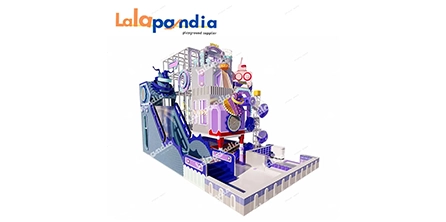
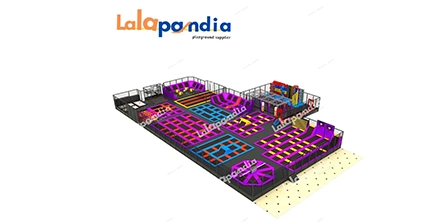
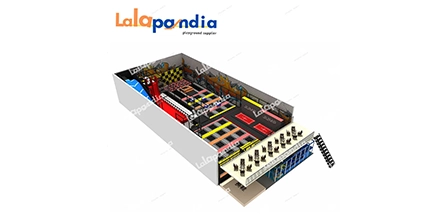
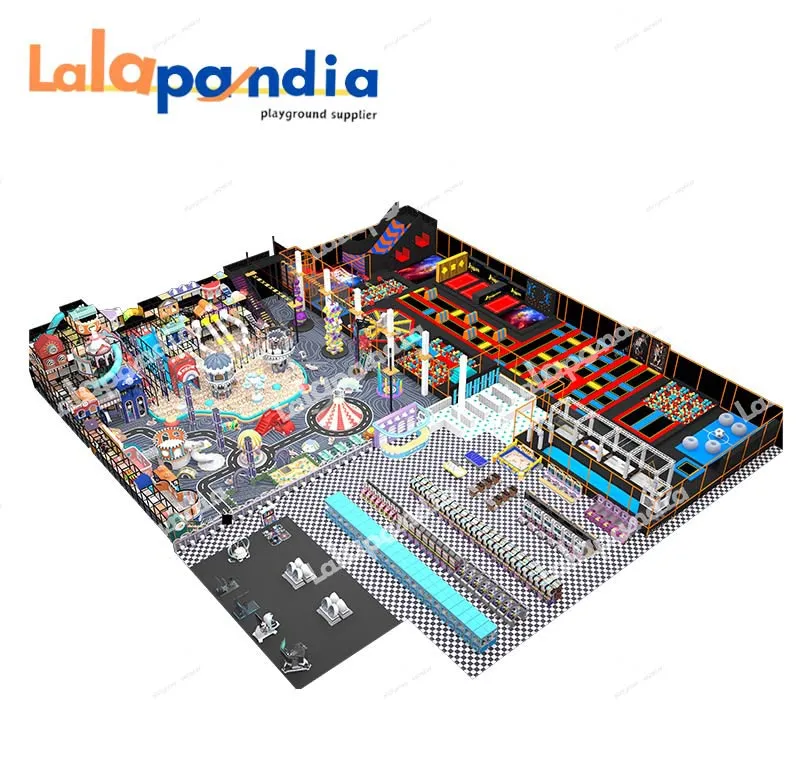
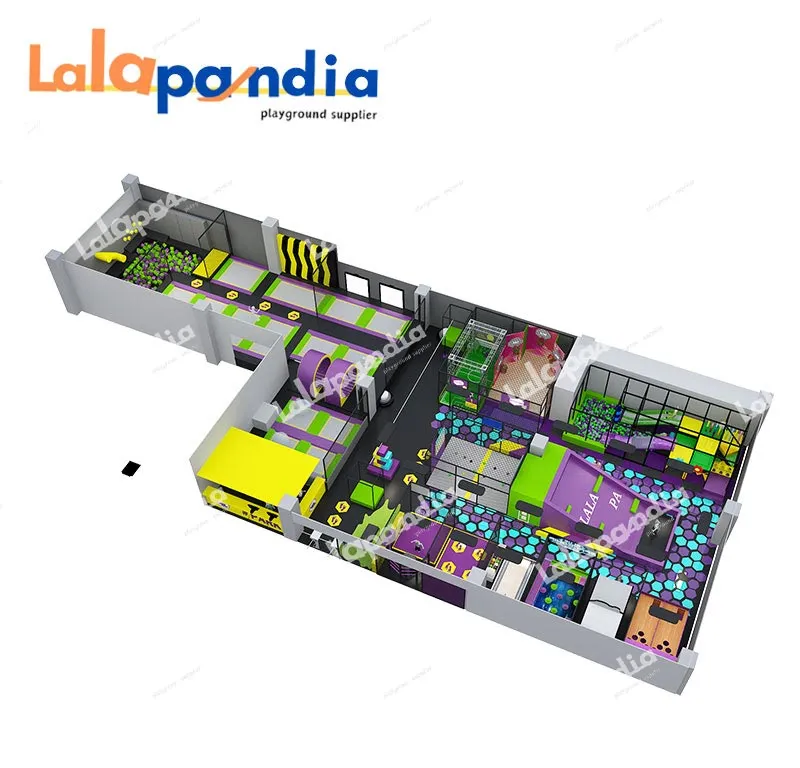
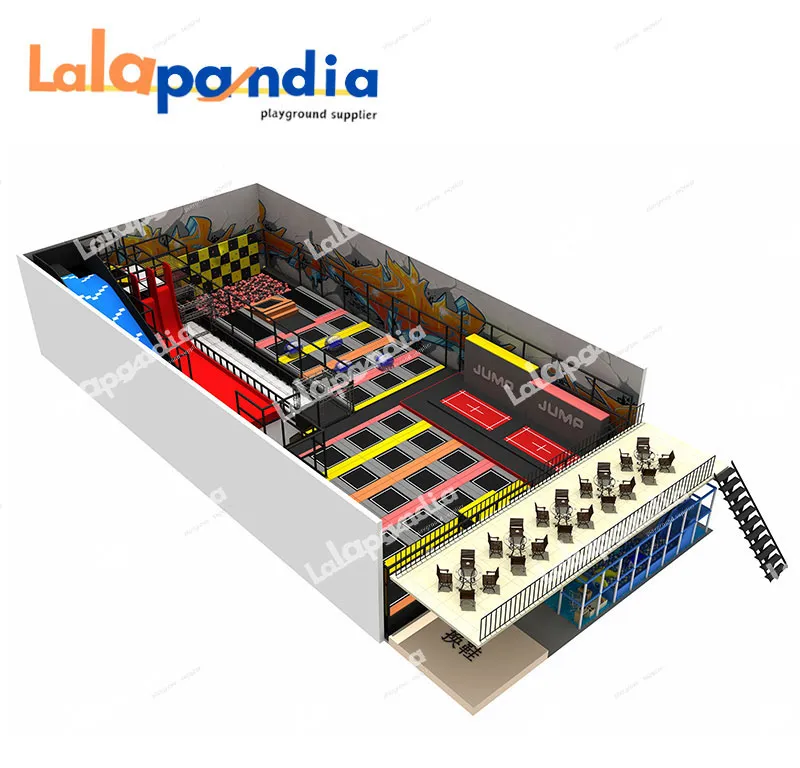
One key to running a successful trampoline park is investing in the right design and equipment. This is where a company like Lalapandia can help. With years of experience in designing custom trampoline parks, Lalapandia ensures that your park is not only safe but also optimized for maximum fun and profitability.
Customization: Lalapandia offers personalized design services to ensure that your trampoline park layout suits your space, customer demographic, and operational needs.
Safety First: Their designs prioritize safety and compliance with industry standards, minimizing the risk of injuries and liability.
Innovative Attractions: From trampoline courts to ninja warrior zones, Lalapandia integrates the latest trends in the trampoline park industry to make your park stand out.
Cost Efficiency: Lalapandia can work with you to design a trampoline park that maximizes space, reduces unnecessary costs, and increases your overall profitability.
Opening a trampoline park can be a lucrative business venture, but it requires significant upfront investment and careful planning. From $300,000 to $500,000, the cost of building a trampoline park varies based on size, location, and amenities. However, with a well-executed business plan and the right design and equipment partners, such as Lalapandia, you can create a safe and profitable trampoline park that attracts families and thrill-seekers alike. With high customer demand and profitable additional services, the right trampoline park can provide a steady stream of income for years to come.
Q1. What are the most significant costs when opening a trampoline park?
The most significant costs include real estate, trampoline equipment, safety features, and staffing.
Q2. How long does it take to make a profit from a trampoline park?
It typically takes 2 to 3 years to break even, but profitability can be achieved faster with effective marketing and management.
Q3. Can I open a trampoline park in a small town?
Yes, but it’s important to conduct market research to ensure there is sufficient demand for entertainment and leisure options in the area.
Q4. How can I increase my trampoline park's profitability?
Offer additional services like birthday parties, food and beverage sales, and seasonal events to increase revenue streams.
Q5. What are the safety regulations for trampoline parks?
Safety regulations vary by location, but most trampoline parks must meet specific guidelines regarding equipment, safety features, and staff training.
GET A QUOTE
 中文
中文 English
 Pусский
 Français
 Español