
Get In Touch
2026.08.17
Posted By: Peter
You're planning a commercial space — a shopping mall, a family entertainment center, a hotel, or a retail venue. The goal is simple: attract families, keep them engaged, and drive repeat visits. An indoor amusement centers installation does exactly that. It's not just a play area — it's a destination that transforms your venue into a place where families spend hours, not minutes. Designed to encourage physical activity and social interaction for children aged 3-12, these centers are engineered to maximize commercial value. This guide covers what makes an indoor amusement center a smart investment — from customization and key attractions to safety standards and ROI.
An indoor amusement center is more than entertainment — it's a proven commercial asset. Families are drawn to venues that offer engaging, safe activities for their children. A well-designed indoor amusement center becomes a destination in itself, attracting families from surrounding areas and increasing overall venue traffic. When children are engaged, families stay longer. Longer dwell times translate to higher spending on food, beverages, and other venue offerings. For shopping malls, family entertainment centers, and hospitality venues, this combination of increased foot traffic and extended dwell time delivers measurable returns.
The primary value of an indoor amusement center is its ability to draw families into your venue. Once they're there, they spend — on food, beverages, merchandise, and other attractions.
When children are engaged, families stay longer. The multi-zone design of a well-planned amusement center keeps children engaged for extended periods, increasing per-visit spending and improving the overall guest experience.
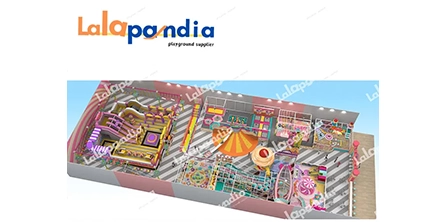
One of the key advantages of working with a specialized manufacturer is the ability to customize the amusement center to your specific space and requirements. A customized design tailors the experience to your target audience, matches your venue's brand identity, maximizes your available square footage, and fits your budget.
The design process is collaborative — clients work directly with designers to refine the concept until it matches their vision. This ensures the final product fits the space, meets the budget, and delivers the desired guest experience.
The amusement center can be designed for different capacities — under 10, 10-50, or 50-100 children — allowing venues to scale the installation to match their traffic volume.
A successful indoor amusement center appeals to a broad age range, ensuring that families with children of different ages can all enjoy the space together. The primary age range is 3-12 years, but the best designs include zones that cater to different age groups within that range.
For younger children (3-6 years), the amusement center includes soft play areas, ball pits, gentle slides, and interactive panels that encourage exploration without risk.
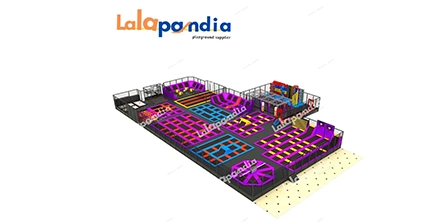
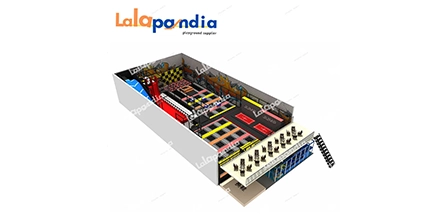
For older children (7-12 years), the center includes climbing walls, rope courses, trampoline zones, and more challenging slides that provide physical activity and a sense of achievement.
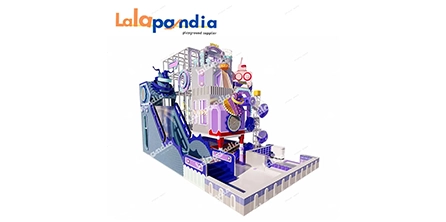
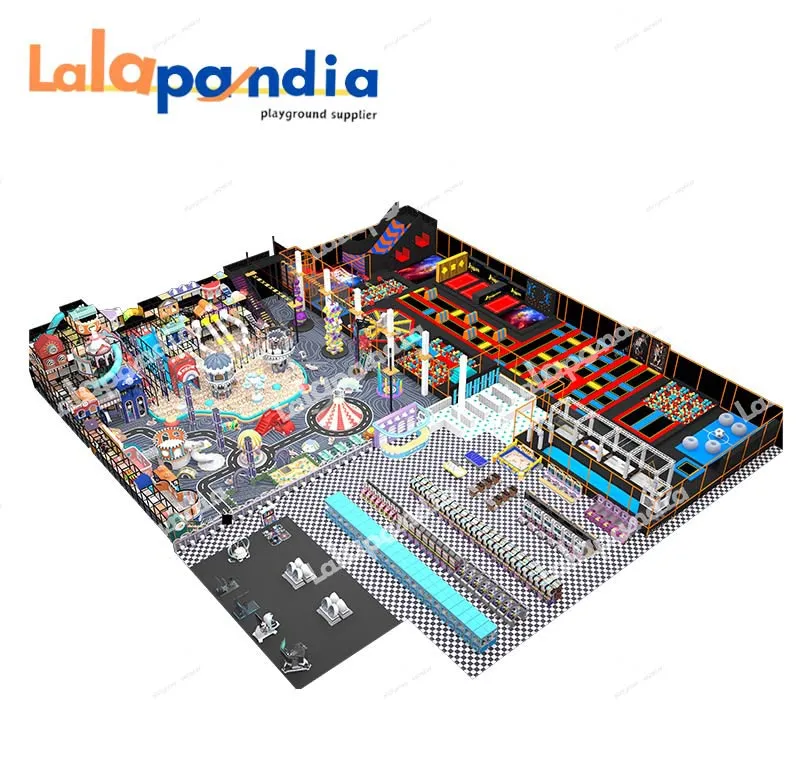
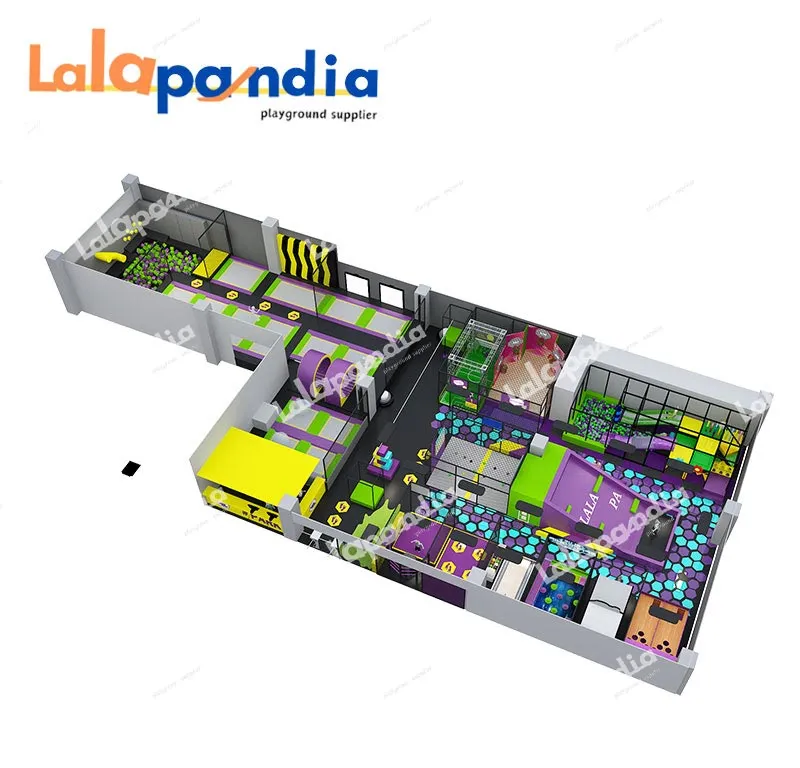
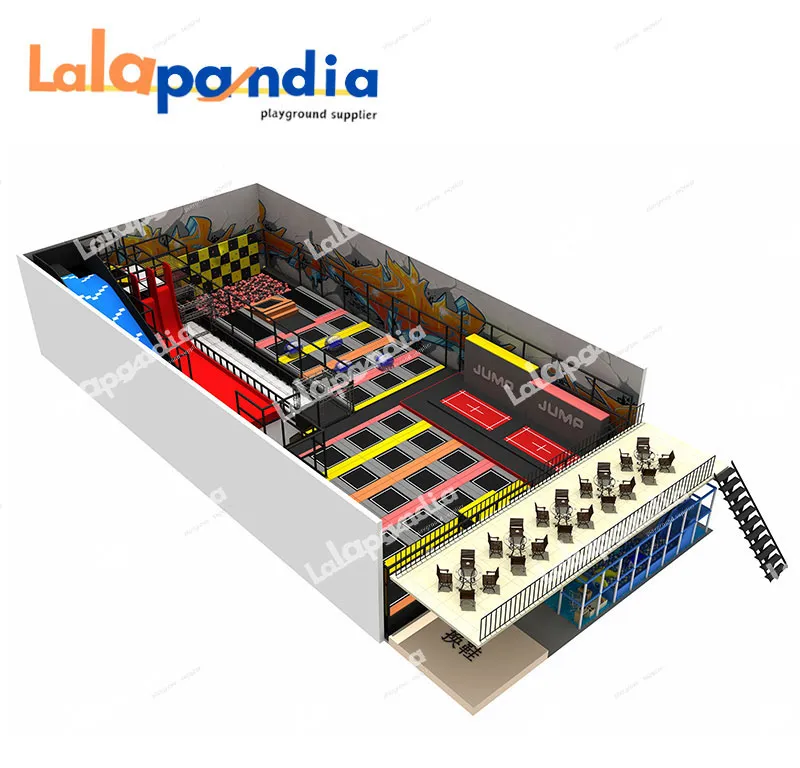
A modern indoor amusement center combines physical play, interactive elements, and educational components into a cohesive experience. Core attractions include climbing structures and frames that challenge children's physical abilities; slides that provide the thrill every child seeks; ball pools and interactive games that encourage social interaction and cooperative play; and educational handcraft areas that offer a quieter space for creativity and learning.
Climbing, swinging, and sliding all require large muscle groups to work together. These activities build the foundational motor skills that children need for sports, daily activities, and overall physical health.
Shooting games, interactive electric toys, and cooperative challenges add a social dimension to the play experience. These activities encourage cooperation, friendly competition, and social interaction — skills that are valuable both in and out of the play space.
Safety is non-negotiable in commercial play equipment. All materials meet rigorous safety standards and are certified to multiple international safety standards. This comprehensive certification provides documented compliance for insurance and regulatory purposes. Commercial-grade play equipment uses durable materials designed to withstand heavy daily use. Typical materials include galvanized steel for structural frames, high-density PVC for soft play surfaces, and high-quality foam padding for impact protection.
All materials meet rigorous safety standards. High-density EPE sponge blocks and ocean balls are fire-resistant per ASTM standards. PP jumping mats feature a spring cover to prevent injuries. PVC leather is made from 1000D high-density PVC with 0.45mm thickness, available in bright or matte finishes, easy to clean, and waterproof and oil-proof.
The equipment is certified to multiple international safety standards: ASTM F1918-21, ASTM F2970-22, EN1176-1:2017+A1:2023, EN 71, ASTM F1487-21, EN1176-3:2017/EN1176-10:2023, and EN ISO 236592022.
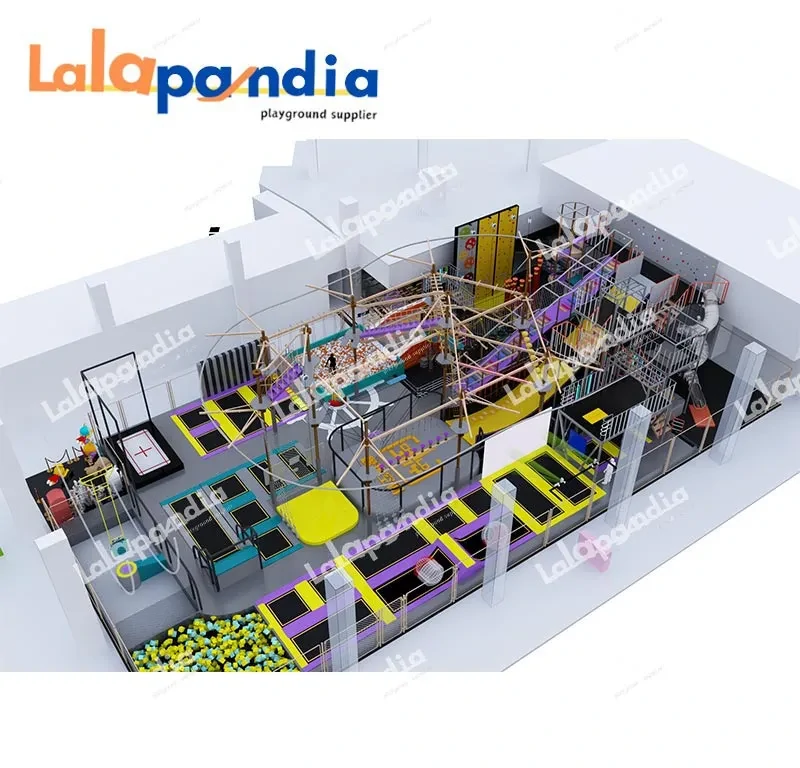
A themed indoor amusement center delivers measurable returns through increased foot traffic, longer dwell times, and higher per-visit spending. A 450m² installation in a shopping mall saw visitor numbers increase by 40% in the first month of operation. A well-designed center becomes a destination, attracting families from surrounding areas and increasing overall venue traffic. When children are engaged, families stay longer, translating to higher spending on food, beverages, and other venue offerings.
Beyond admission fees, an indoor amusement center generates revenue from food and beverage sales, party packages and events, merchandise and retail, and membership and loyalty programs. These additional revenue streams make the center a diversified asset that performs across multiple income channels.
A high-quality indoor amusement center is a long-term asset that continues to generate returns for years. The durable construction and timeless appeal of well-designed play spaces mean the center remains attractive to families over the long term.
What space do I need for an indoor amusement center?
The center fits any space from 100m² to 1,000m²+. The exact size depends on the attractions you choose and your available floor area.
What safety certifications does the equipment meet?
The equipment meets multiple international safety standards: ASTM F1918-21, ASTM F2970-22, EN1176-1:2017+A1:2023, EN 71, ASTM F1487-21, EN1176-3:2017/EN1176-10:2023, and EN ISO 236592022.
What materials are used in construction?
Commercial-grade amusement centers use galvanized steel frames, high-density PVC (0.45mm thickness) for soft play surfaces, and high-quality foam padding for impact protection.
Can the center be customized to my space and theme?
Yes. The center can be customized in terms of theme, color scheme, size, capacity, and play elements to match your specific venue requirements.
What is the typical capacity?
The center can be designed for capacities from 10 to 100+ children, with multi-level structures that maximize play value per square foot.
Selecting an indoor amusement center comes down to three factors: customization (match your space and brand), safety standards (match your regulatory requirements), and capacity (match your traffic volume). Contact LALAPANDIA for a customized design → —their team can help you design, manufacture, and install the perfect indoor amusement center for your commercial venue.
LALAPANDIA is an experienced indoor play equipment manufacturer and supplier, delivering turnkey solutions from custom design and manufacturing to installation. The Customizable Indoor Amusement Centers feature multi-level play structures, climbing walls, slides, trampoline zones, ball pools, and interactive elements. All equipment meets EN and ASTM safety standards with full certification. Applications include shopping malls, family entertainment centers, hospitality venues, parks, and retail spaces. Connect with LALAPANDIA to discuss your space requirements, theme preferences, and budget targets.
GET A QUOTE
 中文
中文 English
 Pусский
 Français
 Español