
Get In Touch
2026.04.20
Posted By: Peter
For commercial venue owners weighing family-friendly upgrades, figuring out where and how to integrate functional, kid-centric leisure spaces often feels like trial and error, and indoor playground equipment stands out as a flexible, high-return addition tailored for modern business demands. As urban families prioritize weather-proof, secure recreation options, Grand View Research data reveals the global indoor play space market is projected to hit $12.6 billion by 2027, with malls and hotels leading the adoption wave. Most operators aim to extend guest stay time, lift overall consumption, and build long-term brand favor through well-designed toddler soft play corners, yet many struggle to match play space layouts with venue traits. This guide breaks down the most viable application scenarios, practical operational tips, and tailored design logic to help business owners make grounded, profit-driven choices.
Family travel and weekend outings no longer focus solely on shopping or accommodation; parents now actively seek venues that cater to children’s energy needs without sacrificing comfort or safety. Unlike rigid outdoor play facilities limited by weather and terrain, enclosed soft play installations deliver year-round usability, low injury risks, and easy daily maintenance—three core advantages that resonate with venue managers.
Industry statistics from Worldmetrics note that mall play spaces draw 50% of daily traffic from non-shopping families, proving these zones act as powerful traffic magnets rather than passive amenities. For hotels, adding compact play corners directly elevates guest review scores, especially for family resort brands targeting vacation travelers. What I’ve observed in years of commercial space consulting is simple: businesses that overlook kids’ needs lose a huge share of repeat customers, while those that blend soft play into their spatial planning create irreplaceable competitive edges.
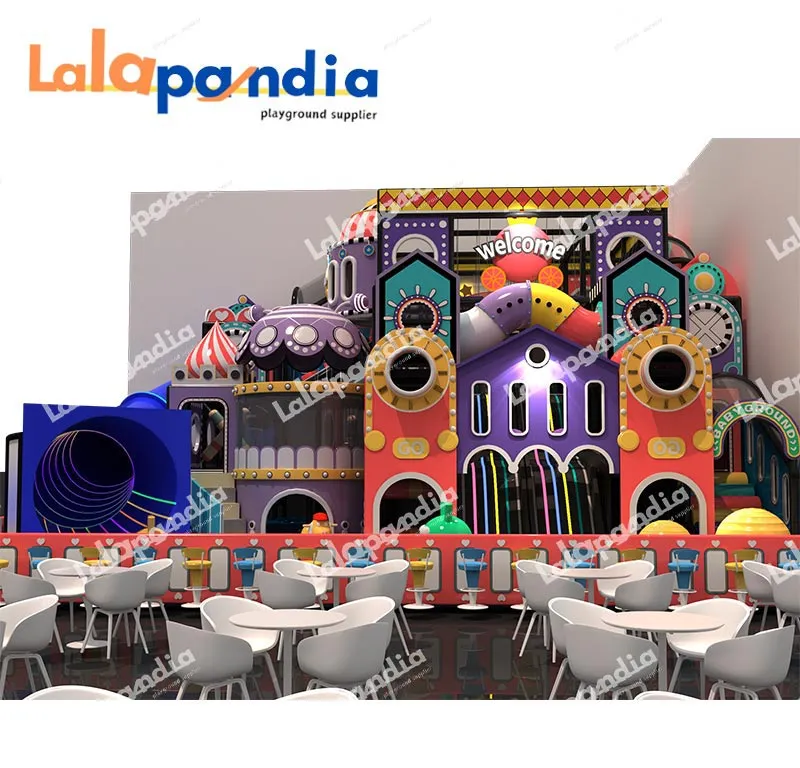
Shopping complexes are the most mature and high-demand spot for indoor soft play areas, thanks to stable foot traffic, diverse consumer groups, and flexible idle space distribution. Malls can adapt play zones to different floor layouts, from small lobby corners to large independent family entertainment wings, catering to toddlers and school-age kids alike.
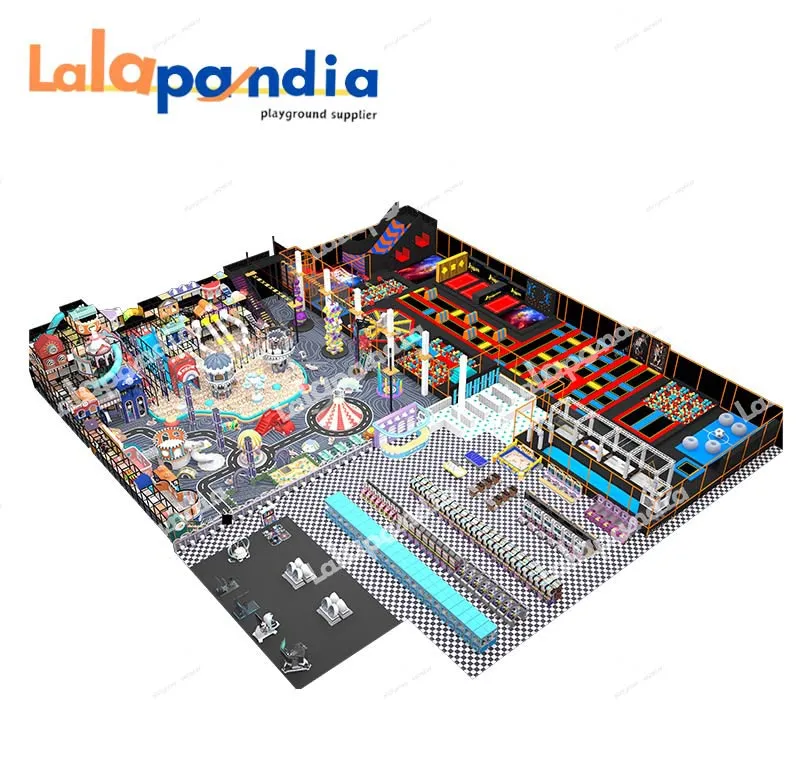
Large regional malls often opt for large-scale themed soft play complexes with slides, ball pits, and climbing structures, turning the play area into a standalone leisure attraction that drives cross-store consumption. Parents will stay longer for shopping and dining while kids play, directly boosting sales for catering, retail, and beverage tenants. Community-focused neighborhood malls, by contrast, thrive with compact, budget-friendly layouts that fit narrow gaps between stores, avoiding excessive investment while meeting daily parenting needs.
Space utilization is key here. Many mall operators make the mistake of overcrowding play structures, leading to poor supervision and safety hazards. Reasonable zoning—separating quiet toddler zones from active climbing areas—balances play experience and operational efficiency.
Hotel and resort settings require soft play designs that prioritize subtlety, aesthetics, and brand coordination, differing greatly from high-energy mall play zones. Traveling families face fatigue from long trips, and a well-crafted hotel kids leisure nook solves the common pain point of restless children in guest lobbies or activity floors.
Luxury city hotels usually favor minimalist, low-key soft play corners with neutral color palettes, blending seamlessly with lobby decor without disrupting the overall upscale ambiance. Beach resorts and holiday hotels lean into tropical, cartoon-themed designs to match vacation vibes, creating memorable photo-worthy spots that guests share on social media for free organic promotion.
A unique advantage of hotel soft play areas is flexible time management. These spaces can open for limited hours to control cleaning costs and manpower, and support temporary party bookings or kid’s activity customization during peak travel seasons. CPSC-certified soft materials and enclosed guardrails also meet global accommodation safety standards, eliminating operator worries about accidental injuries.
Beyond malls and hotels, multiple commercial spaces can gain tangible benefits from small-scale indoor soft play areas, expanding the application boundary of kid-friendly facilities. Family-style restaurants, pet-friendly leisure centers, and community clubhouses all have untapped demand for child recreation support.
Cafés and parent-child restaurants use tiny soft play zones to reduce parental dining stress, extending dining time and improving customer repurchase rates. Residential community clubhouses deploy durable, easy-to-clean soft play setups to enrich community life and enhance property satisfaction. Even boutique exhibition centers and service halls can add small play corners to ease waiting anxiety for visitors with young kids.
These small-budget projects do not require oversized land or complex equipment combinations. Lightweight, splicable soft play parts allow quick assembly and disassembly, ideal for venues with adjustable spatial functions. The core logic remains consistent: meet fragmented parenting needs to enhance overall service quality.
When planning child recreation spaces, venue owners often hesitate between traditional hard playground gear, outdoor amusement rides, and soft play solutions. After comparing material durability, safety performance, and long-term operating costs, soft play options emerge as the most cost-effective choice for indoor commercial use.
Traditional hard plastic play equipment features hard surfaces and fixed structures, raising collision injury risks for young kids and requiring frequent maintenance for rust and wear. Outdoor amusement rides are heavily restricted by rain, high temperatures, and extreme weather, resulting in low annual utilization. In contrast, soft play components adopt high-density foam and non-toxic waterproof PVC materials, with fully wrapped edges to minimize injury risks.
In this context, professional indoor playground equipment delivers targeted optimization for indoor closed environments, with adjustable size, customizable themes, and lower daily upkeep costs. Unlike one-size-fits-all traditional facilities, it supports personalized color matching and function collocation based on venue style, avoiding rigid, homogeneous design. Additionally, soft play areas produce less noise, making them suitable for quiet environments like hotels and high-end catering venues where noise control is critical.
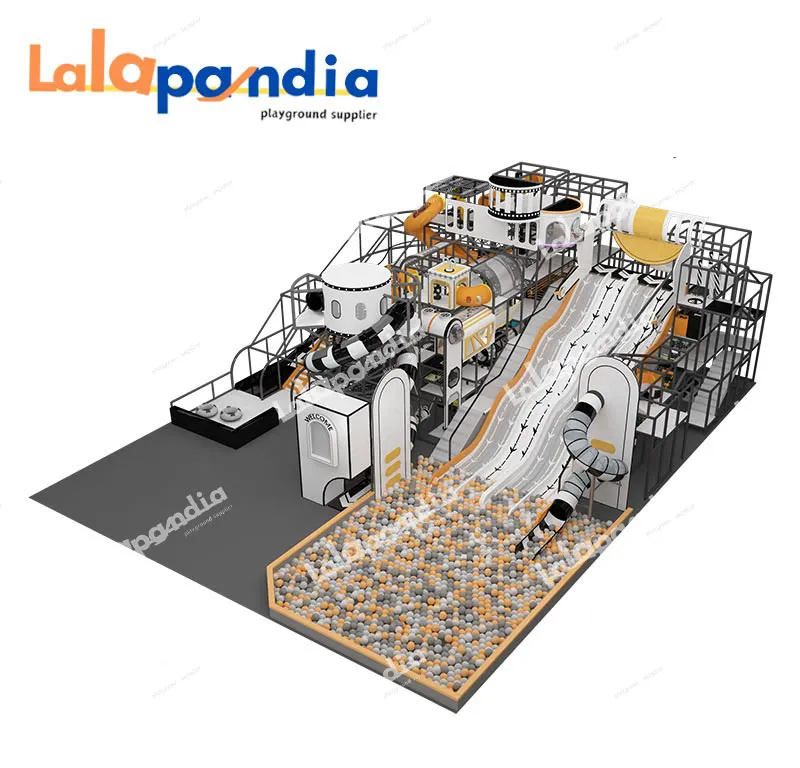
Generic, ready-made play setups can barely adapt to the diverse spatial constraints and brand positioning of different commercial venues, which is why customized design has become the core trend of the industry in recent years. Reliable brands focus on in-depth demand communication before design, covering venue size, target age groups, brand tone, local safety regulations, and later maintenance needs.
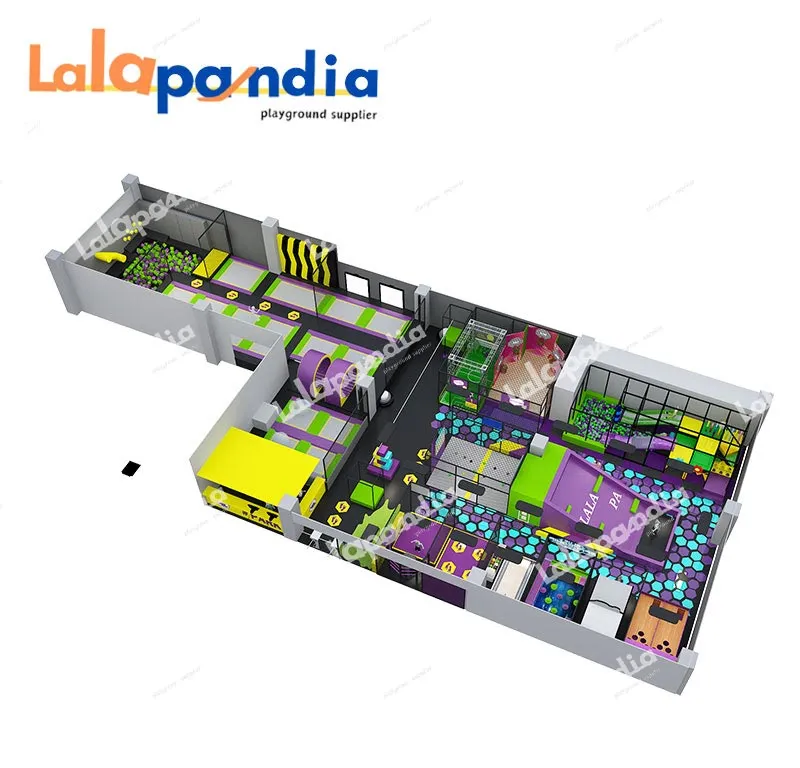
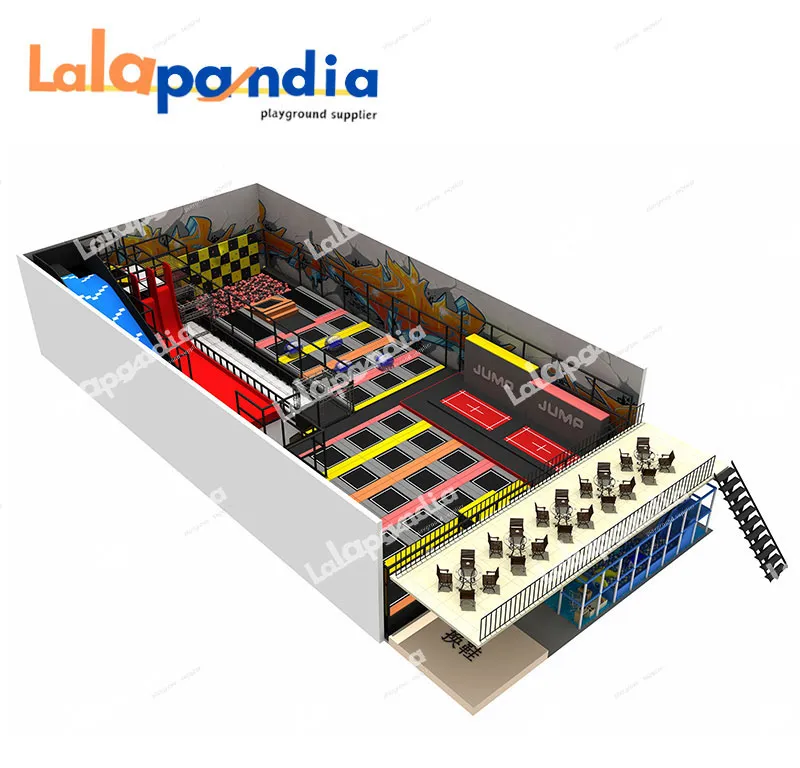
Lalapandia’s one-stop customization service covers on-site measurement, 3D effect drawing production, material selection, installation guidance, and after-sales maintenance, ensuring every play area fits actual operating conditions. Whether it is a narrow 20-square-meter hotel corner or a 500-square-meter mall family floor, the team can reasonably partition functions, optimize pedestrian flow, and balance play fun and operational convenience.
Customization also includes safety detail optimization, such as anti-slip floor mats, breathable soft wrapping, and reserved emergency passages that meet ASTM safety standards. These hidden details not only pass official safety inspections but also build parents’ long-term trust.
Indoor soft play areas are no longer optional commercial accessories but strategic facilities that connect family consumers, enhance brand competitiveness, and create additional revenue. From high-foot-traffic shopping malls to experience-oriented hotels, each scenario has unique design logic and operational focuses, and the key is to select matching solutions based on venue positioning and budget.
With continuous urbanization and growing family leisure demands, the market demand for refined, safe, and personalized indoor play spaces will only keep rising. Choosing flexible, customizable soft play solutions helps commercial venues seize family consumption dividends, enhance user stickiness, and stand out in fierce industry competition. For investors and venue managers, now is the ideal time to plan and deploy high-quality indoor soft play areas.
GET A QUOTE
 中文
中文 English
 Pусский
 Français
 Español