
Get In Touch
2026.04.24
Posted By: Peter
The global indoor entertainment center market is on fire—projected to surge from an estimated $39.97 billion in 2025 to $45.61 billion in 2026, growing at an eye-popping CAGR of over 14%. Yet, ironically, many operators struggle to turn a profit despite this booming demand. Why do some venues explode with 30% higher attendance just by including indoor playground equipment, while others stagger low daily ticket sales until the doors just shut? The brutal reality is that appearance-focused design often creates a "macro disaster" that silently drains your revenue. A poorly conceived child-play ecosystem suffers from low conversion rates, operational friction, and invisible safety risks that drive parents away. Let's tear down exactly how poor spatial planning bleeds your cash flow and how to turn your layout into a profit engine.
Investors tend to look at the dollar signs on the equipment quote, but they miss the hidden operational costs that start eating profit as soon as the second year. Data shows projects that fail after year two rarely suffer from poor demand. It is the design flaws, not ticket prices, that create the biggest black hole.
What is the single most pressing concern for a parent paying for a ticket? Safety. If your children's play center has unclear age zoning, mixing toddlers with massive 8-year-olds in the same climbing net, you have created a waiting room for the ER. Poor age segmentation not only exposes you to liability but also creates "play bias." When a design overloads one type of play while neglecting others—like offering nothing but gross-motor chaos with no sensory retreat—you actively exclude children who don't thrive in that dominant play type.
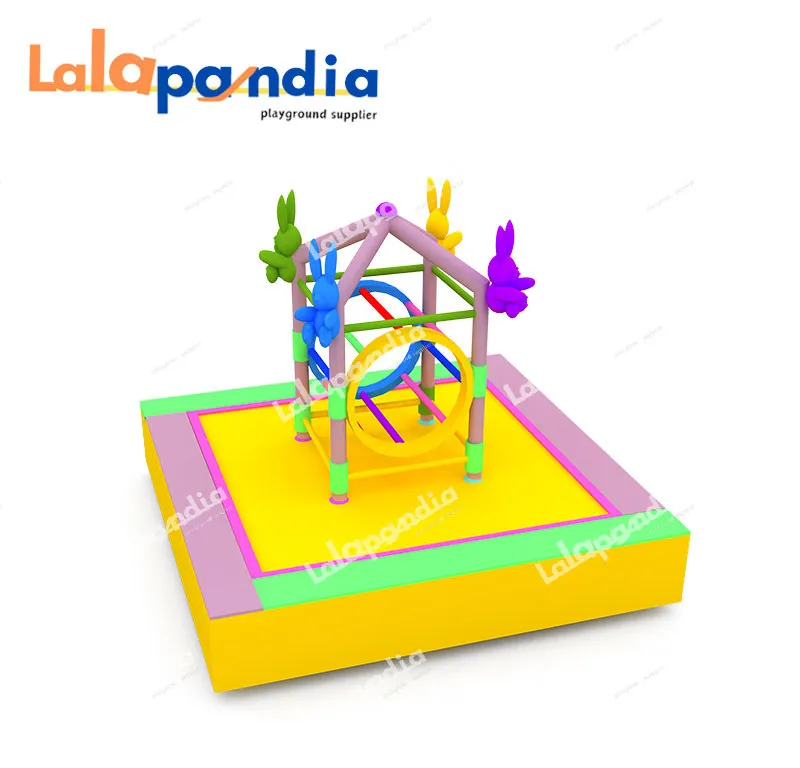
Every child reacts differently to stimulation. Play area culture requires careful consideration of sensory-friendly spaces, quiet corners for reading, and separate high-energy zones. If you can't provide a regulated environment for children with autism or anxiety, you shrink your addressable market and lose those valuable weekday bookings from playgroups. Custom sensory integration focuses on zoning by developmental stage, ensuring every kid finds their spot in the ecosystem.
You buy a massive ball pit as the anchor attraction, and you put it right at the main entrance. This is a cardinal sin in commercial operation design. Why? Because those kids get stuck there immediately. Once you place your flagship structure at the front door, you have killed the natural circulation path. The lobby becomes a logjam of strollers and shoes. Parents waiting in line cannot see the back areas where you have your party rooms or arcade redemption centers. This not only creates a poor first impression but also reduces your ticket conversion rates and forces staff to manage crowds instead of selling memberships.
Spatial planning should force the "forced-flow corridor." The most profitable facilities design a guest path that passes premium redemption and snack counters before getting to the main soft play. This is design-driven revenue: you make money before the child even hits the slide.
Look at your floor plan right now. Can you see the tunnel exits from the staff check-in desk? If not, you have a blind spot. A clear sight line from staff stations and parent seating is critical for passive supervision. When you have a physical environment with blind corners, you must hire extra roaming staff to cover those gaps. Those salaries add up. Worse, a single accident in a blind spot triggers bad reviews on Google Maps instantly. Data shows that safety credentials directly impact revenue, with parks displaying verifiable certification reporting 23% higher conversion rates at checkout.
A high-performing indoor playground in the U.S. typically targets an annual RPF of $100–$300 per square foot. Does your current space utilization meet that? If not, you are leaving thousands on the table.
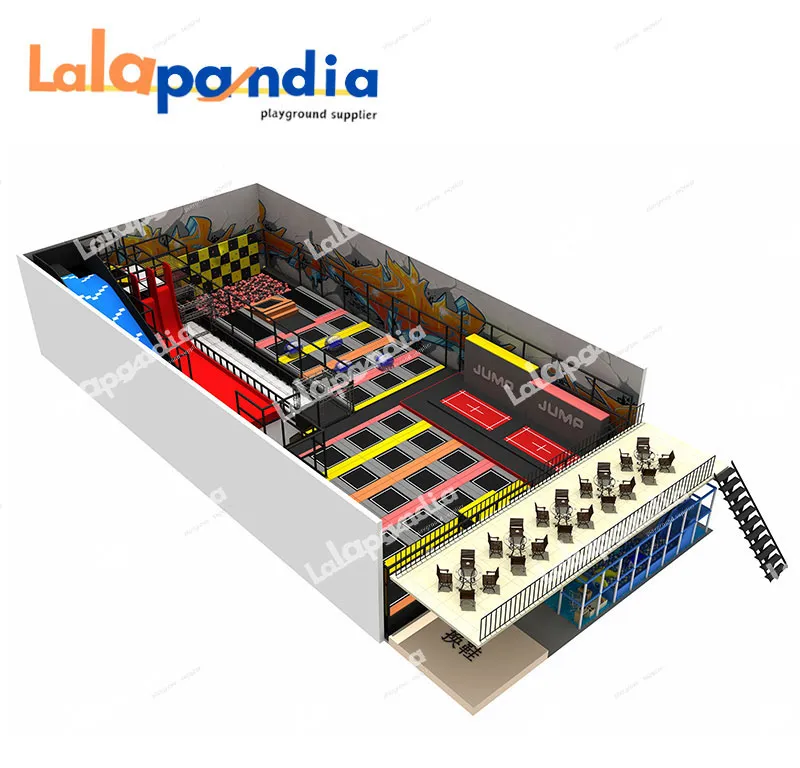
Rent is fixed per square foot. In typical malls, you pay for that horizontal slab. So why are you leaving the air above empty? Dense spatial planning introduces mezzanines, multi-layer climbing nets, and two-story tube slides. Vertical expansion increases your capacity without paying a penny more in rent. Every time you add a structure that climbs toward the ceiling, you are increasing your ROI per cubic foot.
Have you got a weird corner where nobody plays or an empty wall next to the exit? That is dead space. Imagine transforming those voids into redemption vending micro-units or grip sock rental kiosks. These micro-units generate impulse revenue without extra staff. Even benches can be designed to incorporate toy storage for sale. Commercial indoor venues that treat every square inch as a potential asset will always beat competitors who just throw down a carpet and hope for the best.
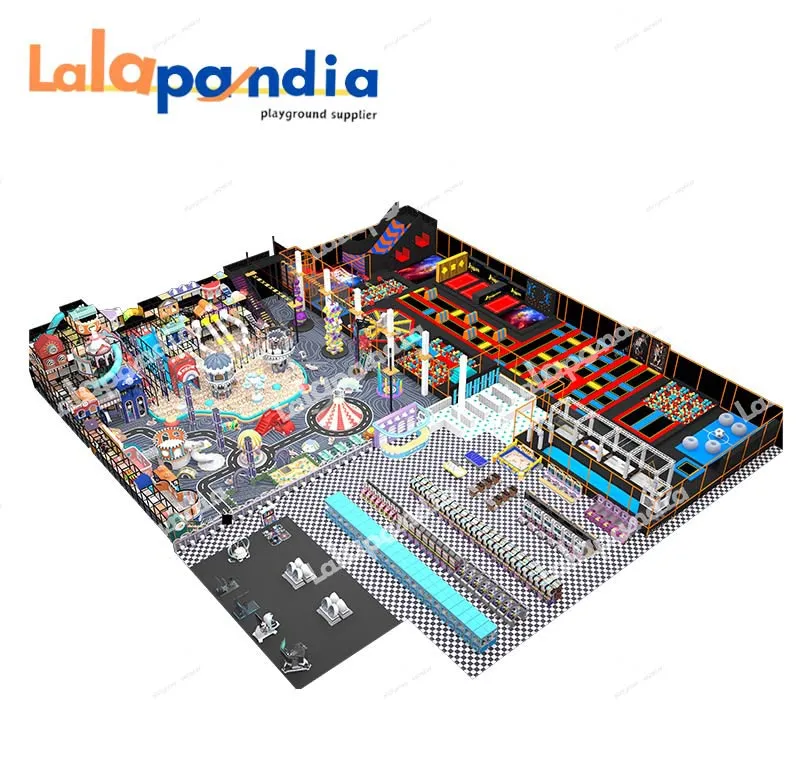
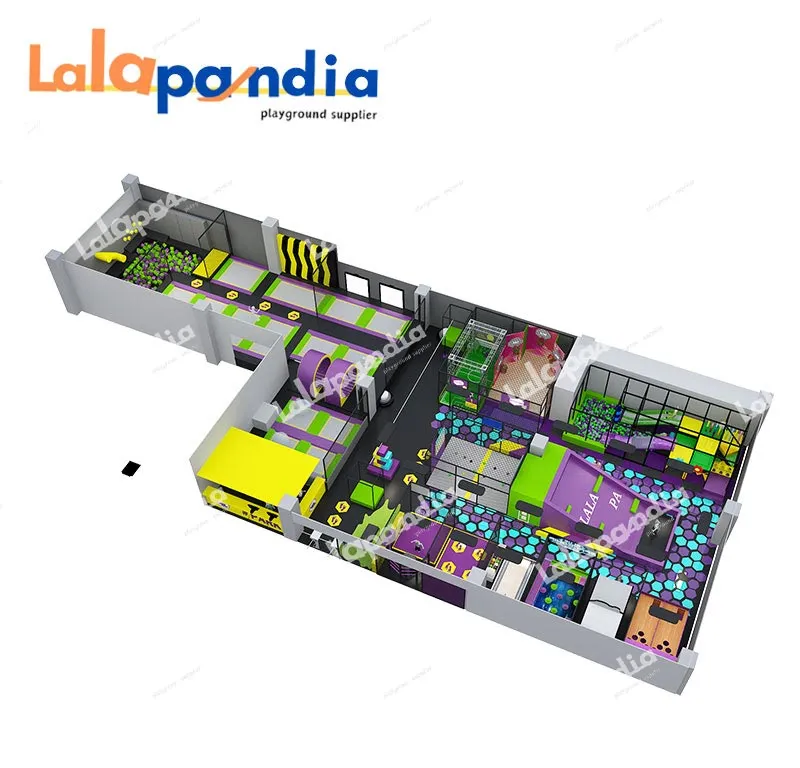
No two buildings are the same, yet many low-cost projects use a generic, "plug-and-play" design that fails to consider the structural pillars, column spacing, or emergency exits. This is where choosing a modular solution becomes the smart money move.
Many cheap projects are designed to look attractive, not to operate efficiently. That approach leads to low throughput and limited upgrade flexibility. In contrast, working with equipment that boasts a modular structure allows flexible layout planning specific to your floor's unique constraints.
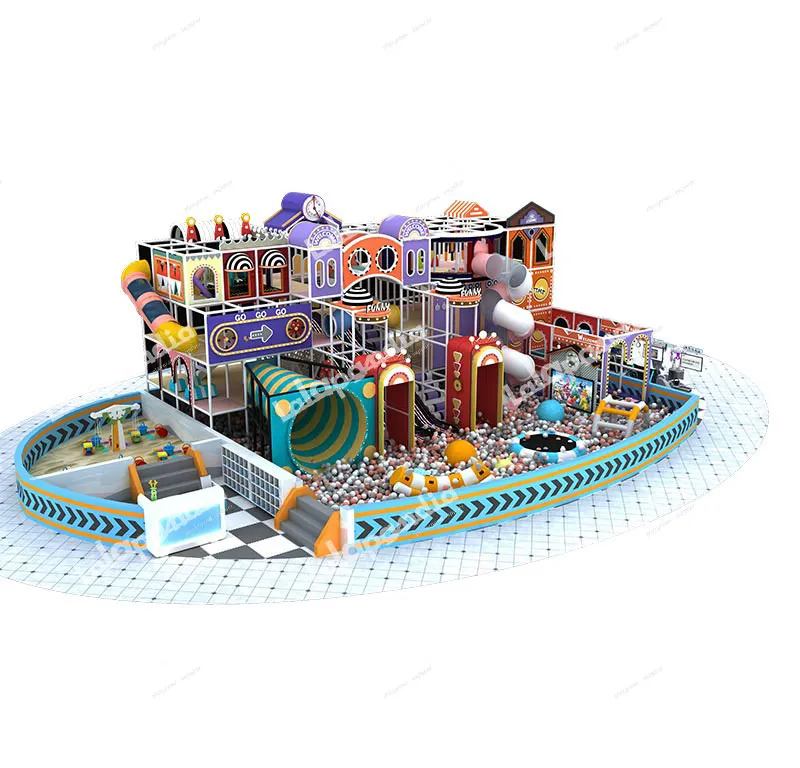
Here is a quick calculation. Suppose you have a 2,000 sq ft space. If your circulation pathways are too narrow, you force parents to wait outside while kids play inside. Your throughput—how many paying bodies per hour—drops drastically. A proper traffic flow optimization uses "queue-busting" zones and wide entry foyers where families can remove shoes quickly. Every extra minute a parent spends waiting in a cramped line is a minute they are deciding to buy your competitor's membership instead.
Your child-friendly environment needs to sell more than just slides. The most profitable layouts create social spaces for parents. If you provide Wi-Fi-enabled lounges within sight of children, they stay longer. When they stay longer, they buy overpriced coffee, pizza, and birthday party packages.
Furthermore, designing for flexibility allows you to host private events. If your kid play zones are modular, you can remove obstacles tables and chairs to transform the space into a private birthday arena on weekends. This multi-functional design unlocks the highest-margin revenue streams in the business.
The mistake? Treating a playground as a static equipment dump. The strategy? Treating it as a living sales floor where every passive supervision vista and age-appropriate zone is a lever for profit.
Have you considered the caregiver experience? If the only seating is hard plastic chairs in the splash zone, parents feel agitated. If you integrate elevated platforms with comfortable seating overlooking the sensory overload areas, mom is relaxed and orders a latte. Relaxed parents write five-star reviews. Stressed parents write one-star reviews about safety and noise.
Go take a walk through your current facility this weekend. Do you see pathways that open up naturally, or do you see narrow corridors and frustrated parents maneuvering strollers? Do you see quiet kids reading in a quiet corner, or do you see overstimulated toddlers running into teenagers on trampolines?
The global indoor playground market is growing fast. According to surveys, nearly 60% of parents prefer indoor venues because they offer controlled, safe environments. But if you cannot provide a safe, optimized, and commercially intelligent layout, those parents will swipe their credit cards elsewhere. The market is competitive, but the floor is yours if you fix these money-bleeding mistakes today. Stop losing to your own architecture. Build with velocity, monetize every corner, and watch your conversion rates climb.
GET A QUOTE
 中文
中文 English
 Pусский
 Français
 Español